
Activating Consumers – Is It A Matter of Chemistry?

In chemistry, activation energy is the minimum energy required to initiate a reaction. Think of it as the spark that gets molecules moving toward transformation. Without it, even the most promising reactants remain inert. A higher activation energy means that more energy is needed to make the reaction happen, e.g. you may need to add some heat to get things going.
In market research, the same principle applies to consumer behaviour. A new product or brand often requires a shift in habits, perceptions, or routines - essentially, a behavioural reaction. But that shift doesn’t happen spontaneously. It needs activation energy.
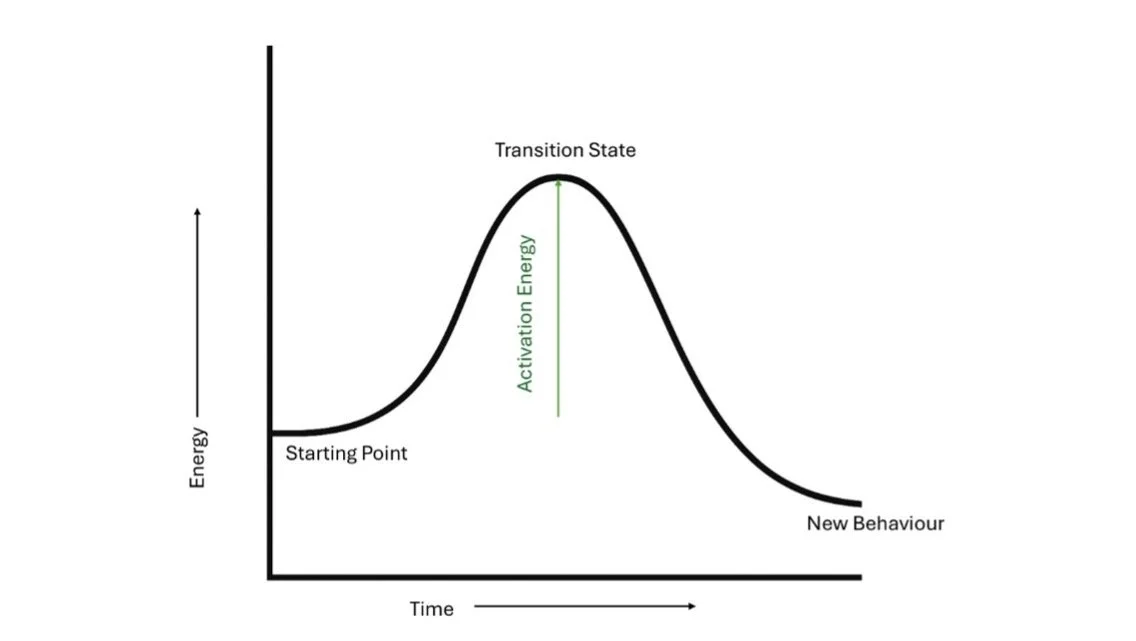
Behaviour Change as a Reaction
When launching a product that demands consumers do something new, e.g. switch brands, adopt a new technology or rethink a routine, market research can help to identify and lower the activation energy. This means understanding:
What barriers exist? (Cost, effort, scepticism, lack of awareness)
What incentives or triggers can overcome them? (Emotional appeal, convenience, urgency)
Market Research as a Catalyst
Market research helps brands pinpoint where the activation energy lies. It uncovers friction points and reveals what kind of spark is needed to ignite change.
Using a chemistry mindset Magenta has helped a number of clients to drive behaviour change:
AI and Agentic AI Solutions. We conducted research to understand how C-suite leaders perceive AI and Agentic AI solutions and what drives or blocks adoption. By examining the ‘activation energy’ required for executives to move from interest to implementation, we identified the triggers that accelerate adoption and the barriers that slow it down.
Neurodivergent employee needs. We explored the needs of our client’s neurodivergent employees through a chemistry-inspired lens, identifying the ‘catalysts’ that enable colleagues to thrive and the ‘inhibitors’ that impede them. A key insight was the critical role of energy management - recognising that neurodivergent employees often navigate fluctuating cognitive and sensory demands that directly impact their ability to perform sustainably. From this analysis, we pinpointed small but powerful adjustments capable of triggering meaningful, organisation-wide improvements.
Hotel booking journeys. Sam’s thinking helped us research the online hotel booking journey like a reaction pathway - identifying the moments where more energy or thinking was needed - where bookers slowed down, hesitated, or dropped off entirely. By analysing energy levels at each click and decision we were able to pinpoint the smallest changes that could have the biggest impact on their likelihood to choose our client.
The Takeaway
Just like in chemistry, behavioural change in markets doesn’t happen without energy input. Market research is the lab where brands measure, test, and engineer the right conditions for reaction. The goal? Making the leap from inertia to action feel effortless.